Recover up to 15% of logistics revenue you’re not billing
Sotant finds missed charges across shipments, contracts, and invoices with AI Employees.
Ready in 14 days. No IT involvement. Money-back guarantee.



.png)







Find the logistics revenue hiding in your operations.



Unbilled Accessorials

Contract-to-Invoice Gaps

Invoice Disputes & Credits




Recover missed revenue without adding headcount
.png)
Recovered cash,
not another dashboard
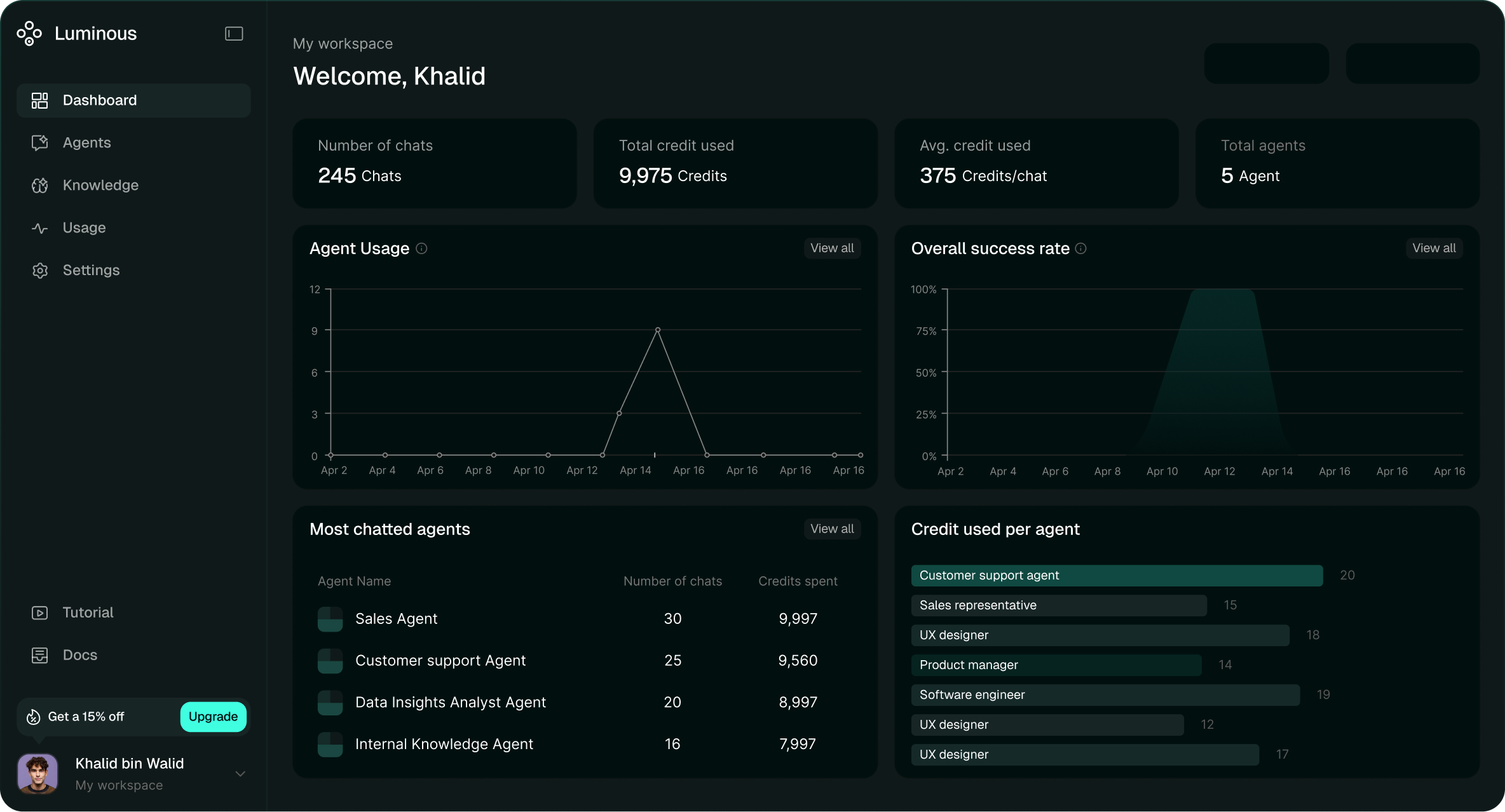
We review shipments, contracts, and invoices end-to-end so your team gets recoverable revenue, not more reports to manage.
.png)
Live in 14 days.
No IT involved
Start with contracts, shipment data, emails, and shared files. Built for secure handling with no ERP integrations or IT approvals required.
.png)
AI Employees that learn
your billing rules
Sotant AI Employees learn your pricing terms, customer exceptions, and billing patterns so recovery improves over time.
Meet the AI employees doing the work


Martha, Logistics Billing Analyst

Olivia, Freight Invoice Auditor

Thomas, Disputes Specialist
We start where the most recoverable revenue is hiding.
Questions before recovering missed revenue?
Clear answers on how Sotant finds missed logistics revenue, protects your data, and puts AI Employees to work without the need for IT integrations.
What kind of revenue can Sotant help recover?
Sotant looks for missed charges across shipments, contracts, invoices, accessorials, claims, credits, and billing exceptions. This can include detention, storage, special handling, fuel adjustments, pricing exceptions, and services your team performed but did not bill.
How do you find missed revenue without integrating into our systems?
Think of Sotant like a revenue recovery advisor powered by AI Employees. We only need the access you would normally give a consultant: contracts, shipment exports, invoices, emails, shared files, and workflow context. No ERP migration, no TMS integration, and no IT intetrations required.
Unlike a consultant, Sotant does not just point out the problem. We create AI Employees tailored to your billing rules and operations in days instead of months, so we can find missed revenue faster and help recover it at a fraction of the cost of adding more headcount.
Do we need IT involved?
No. We work from files, exports, contracts, invoices, and examples your operations or finance team can provide.
Think of Sotant like onboarding an advisor or consultant: we do not need more access than they would typically receive. The difference is that Sotant operates with AI Employees in the background, tailored to your billing rules and workflows, so we can move faster without creating an IT project.
How is our data and our systems protected?
Sotant does not need direct access to your IT infrastructure. We work from the files, exports, contracts, invoices, and workflow examples your team chooses to share, which eliminates common cybersecurity risk compared to tools or APIs that require deep system integrations.
Your data is used only for the approved recovery workflow: identifying missed revenue, training the scoped AI Employee, and helping your team recover approved opportunities. It is not used to train unrelated public models.
When needed, we also work with additional privacy layers such as encrypted file sharing, limited-access folders, redacted documents, anonymized examples, and strict access boundaries. This is what allows Sotant to deliver value in weeks, not months, while keeping the process closer to onboarding a trusted advisor than installing another enterprise tool.
When do we pay?
You start with a Revenue Mapping phase. After we identify recovery opportunities, your team approves what should be recovered. The AI Employee only moves forward once the recovery opportunity is clear and approved.
What happens after the revenue mapping?
You receive a clear report showing where revenue is being missed, the estimated dollar impact, and which AI Employee should start first. From there, you decide whether to move forward without minimum commitments or yearly contracts.
Does the AI Employee take actions automatically?
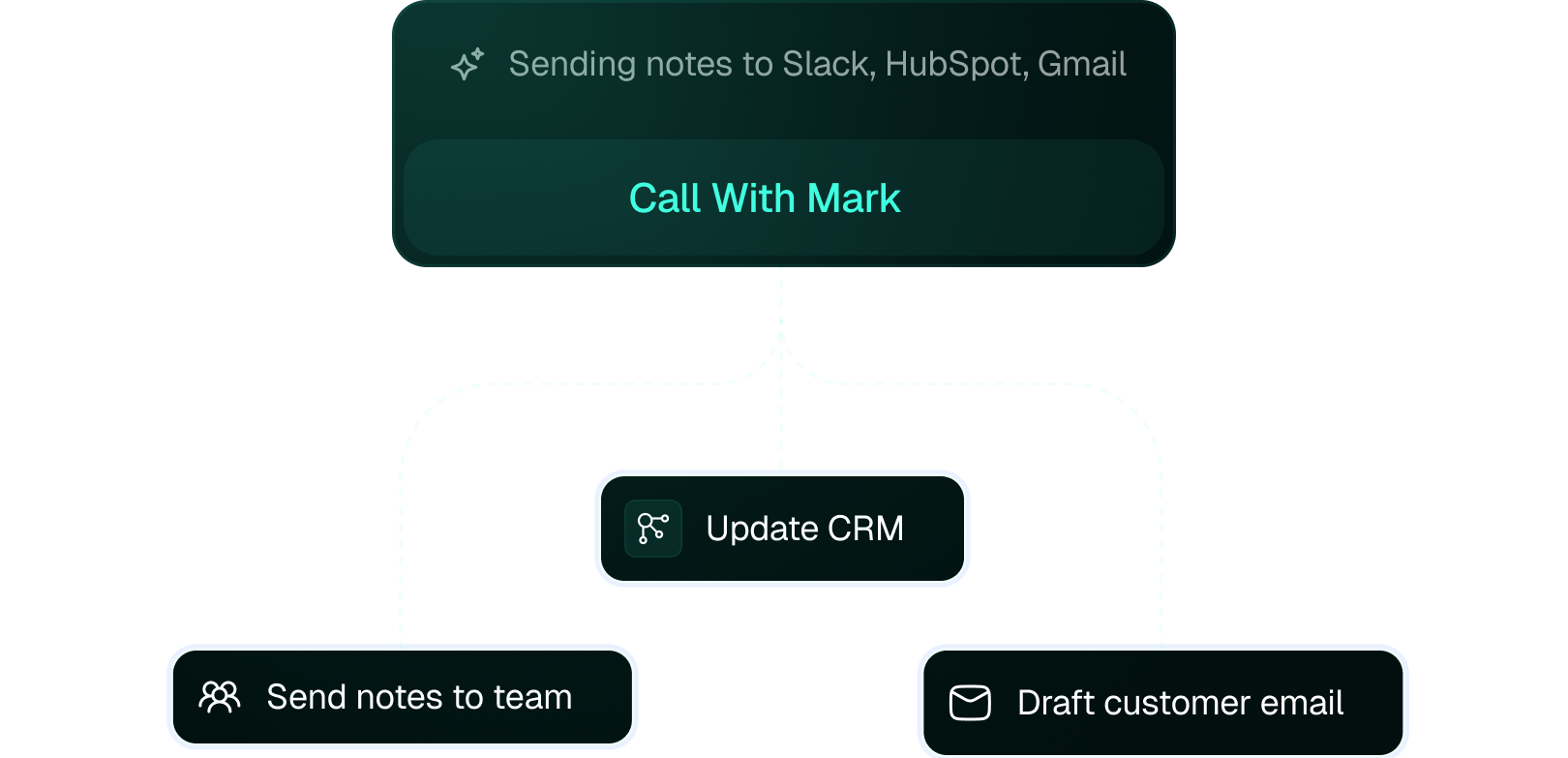
Not without approval. The AI Employee flags missed charges, prepares evidence, drafts follow-ups, and recommends actions. Your team stays in control of judgment calls and approvals.
Why not just hire more billing or operations people?
You can, but one Sotant AI Employee can often handle the work capacity of 5+ operators at a fraction of the cost. It improves recovery without adding headcount, payroll, training, or management overhead.
